
Learning hub
Everything worth knowing about tooth tone
Plain answers about why teeth look warm, what pigment can and cannot do, and how to tell a real whitening claim from a well-designed one.
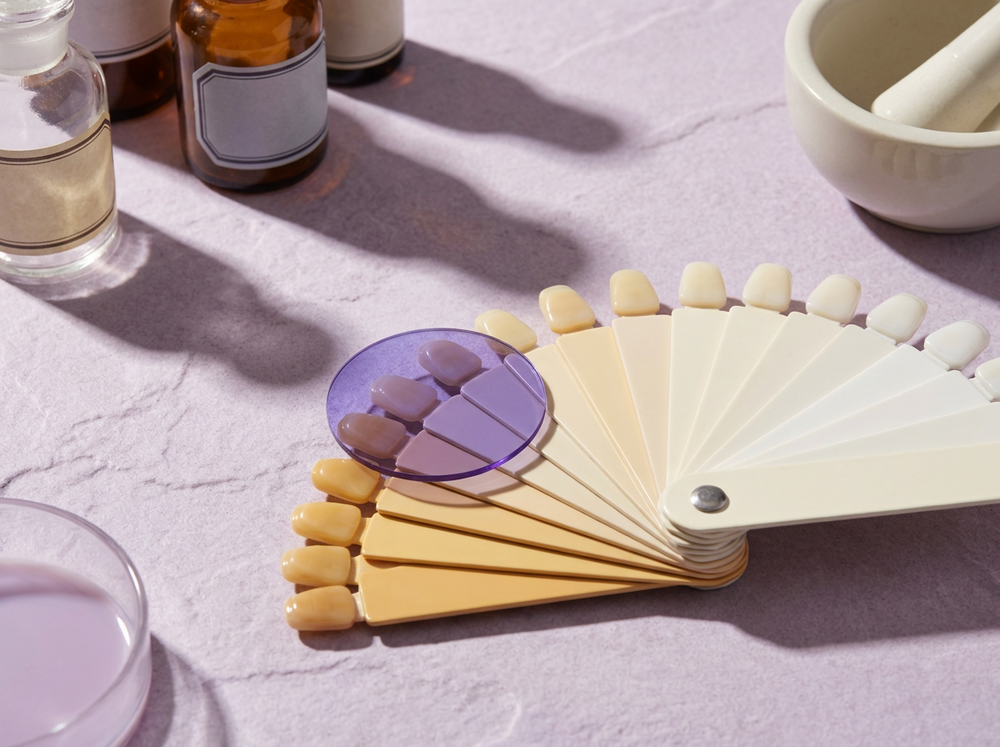
All articles
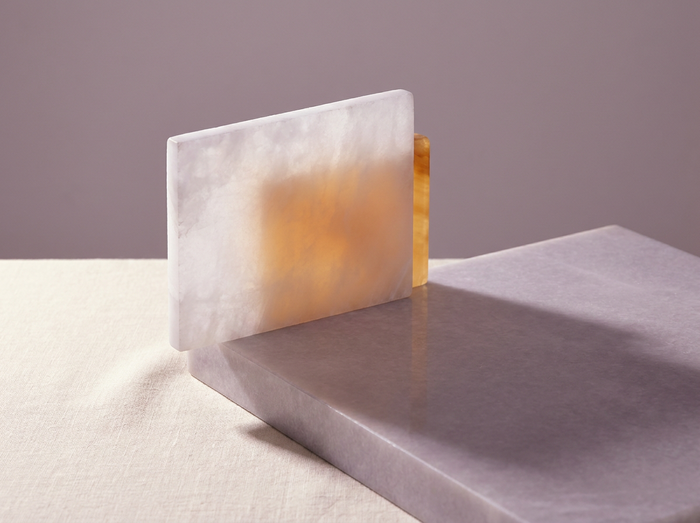
Why teeth pick up warm tone in the first place
Enamel is translucent. What you see is partly the dentine underneath, and it warms with age, food and habit.
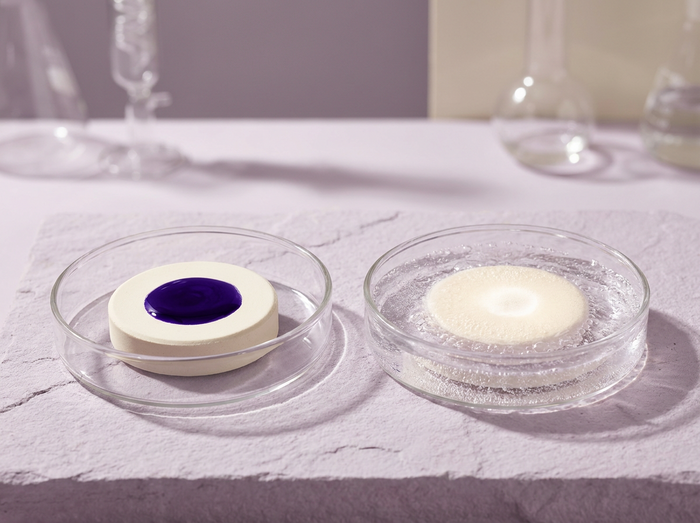
Purple pigment vs peroxide: what each one actually does
One deposits colour on the surface. The other alters the tooth chemically. They solve different problems.

How to photograph your own before and after honestly
Same light, same distance, same time of day. Everything else makes the comparison meaningless.
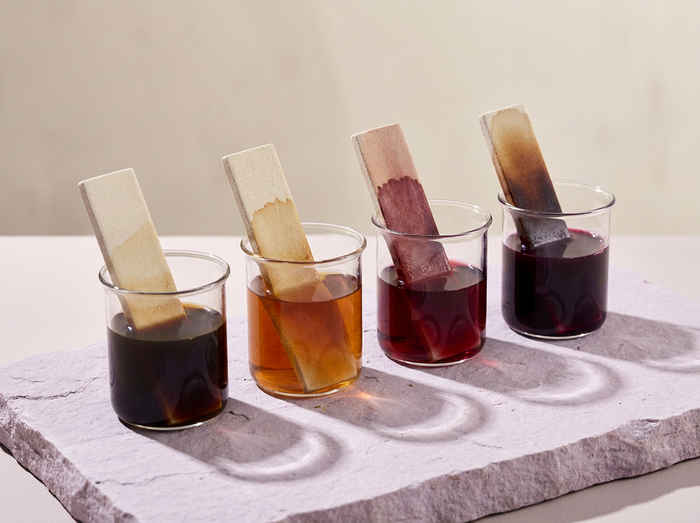
Coffee, tea, red wine: what stains and what only looks like it does
The usual suspects are not equally guilty, and some of the worst offenders are the ones nobody warns you about.
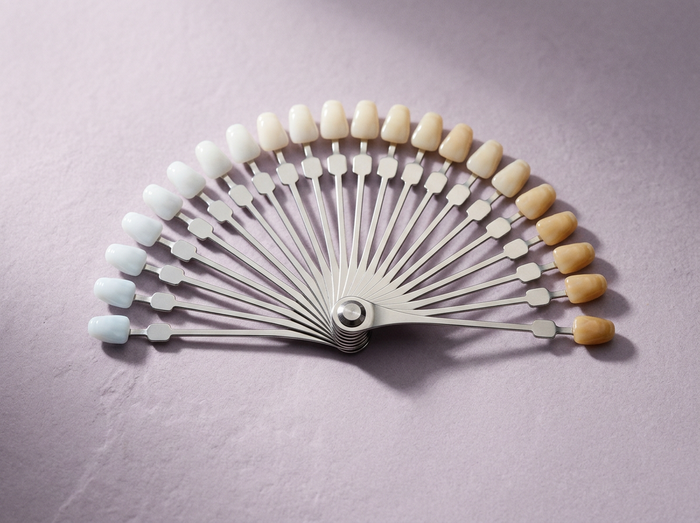
What a shade guide is, and how dentists read one
The VITA scale runs A1 to D4. Knowing where you sit is more useful than a vague sense of yellowness.
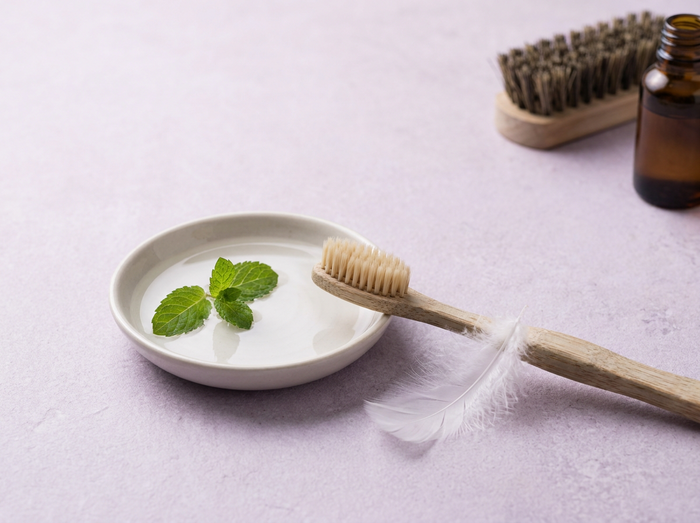
Sensitive gums and whitening: what to avoid
Alcohol, high-concentration peroxide and aggressive brushing all cause trouble. Here is the gentler route.
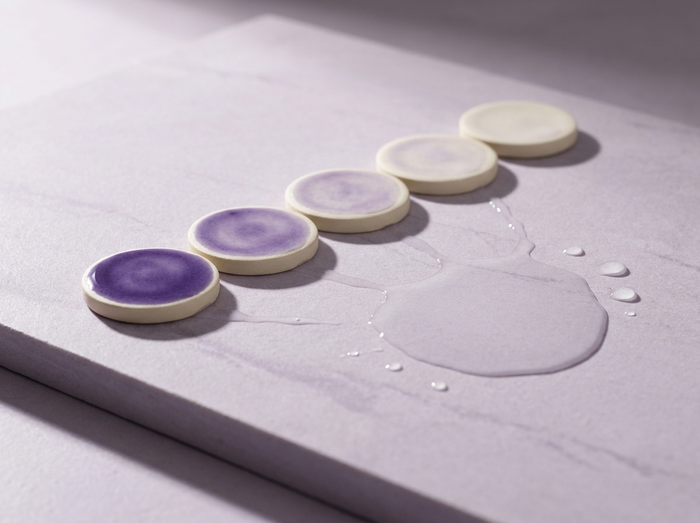
How long surface tone correction lasts
Surface pigment is temporary by design. What that means for how often you use it.
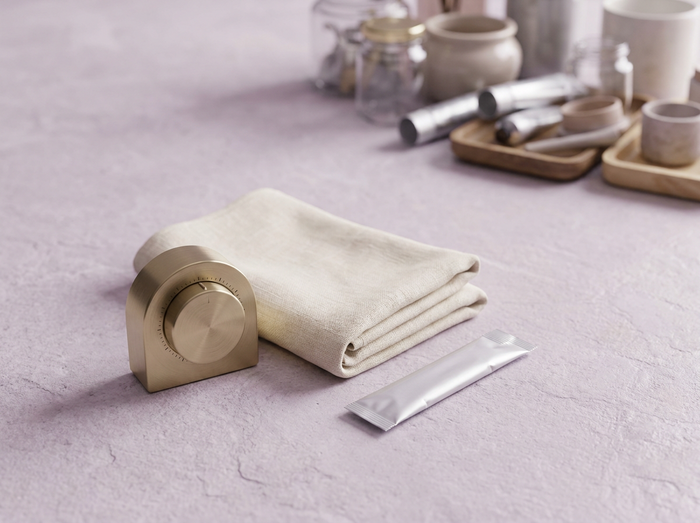
Building a 30-second routine you will actually keep
The reason most whitening routines fail is length, not strength.

Whitening claims: how to read a label
Marketing language has patterns. Once you see them you cannot unsee them.
Nothing filed under that yet.
Common questions
The ones we get asked most
If your question is about your own teeth rather than the product, your dentist is the better answer. These cover the rest.
Does purple mouthwash actually whiten teeth?
Not in the bleaching sense. It deposits a violet pigment that sits opposite yellow on the colour wheel, which visually cancels warm tone. Nothing about the tooth itself changes — which is also why it is gentle, and why it is temporary.
How is that different from peroxide whitening?
Peroxide penetrates enamel and breaks down the compounds causing discolouration. It works on the tooth. Pigment works on what you see. Peroxide goes further and lasts longer; it also carries more risk of sensitivity.
How often should I use it?
Once a day, 30 seconds, after brushing. More often will not compound the effect, because you are topping up a surface layer rather than building one.
Will it stain my tongue or my sink?
A faint tint on the tongue can happen and rinses away with water. Wipe the sink as you would after using any coloured product.
Can I use it with braces, veneers or crowns?
Pigment sits on the surface, so it will not damage dental work. It also will not change its colour, which can leave restorations looking warmer than the teeth around them. Ask your dentist if that matters for your case.
Is it safe for sensitive teeth and gums?
There is no alcohol and no peroxide in the formula, which are the two usual causes of stinging. If you have an existing condition, check with your dentist first.
Ready when you are
Thirty seconds, once a day
One sachet, swished for half a minute, no brushing after. A 20-pack covers about three weeks.